


The dangers of self-plagiarism
March/2021/
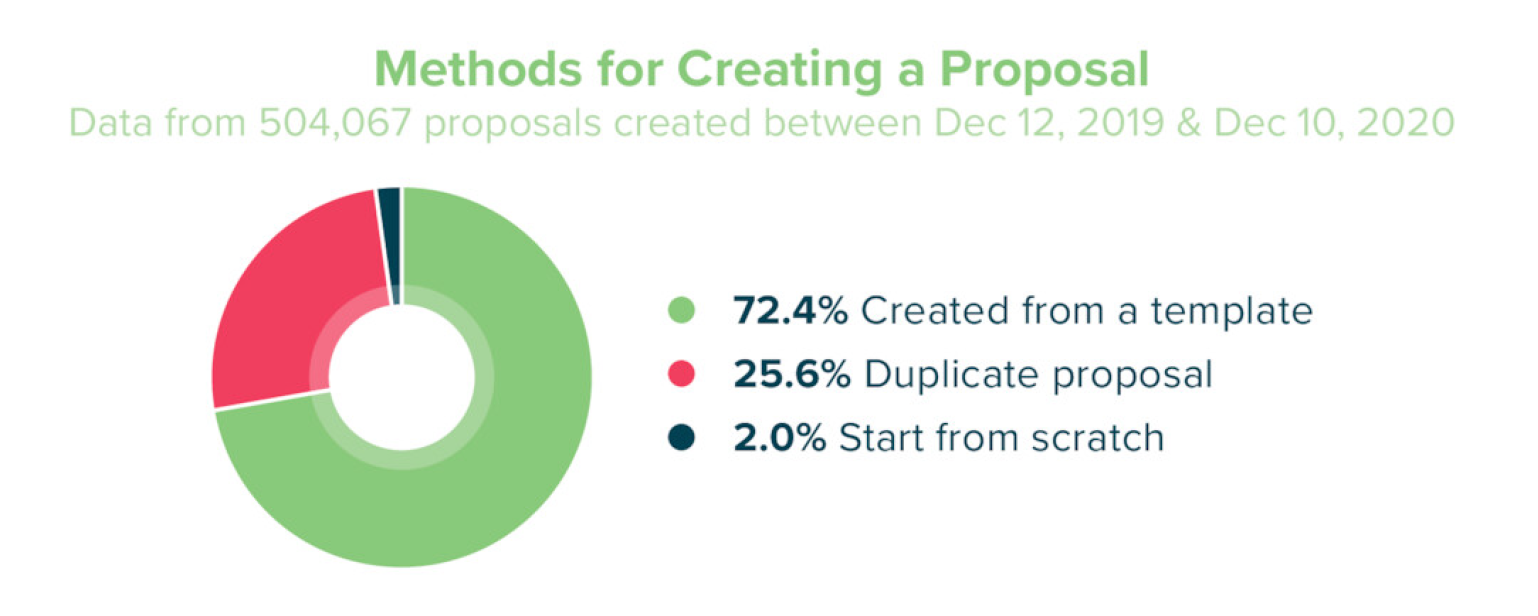
That more than a quarter of all proposals are based upon a previous proposal is no surprise to procurement practitioners. I have seen proposals where the search and replace of the recipient's company name was only partially successful. Part-way though the proposal stopped mentioning the name of the intended recipient and instead stated the name of the previous company that this proposal had been sent to!
This reminds us that there are three types of content in proposals:
For those sales teams that use a previous proposal as a template for a subsequent proposal it is a quick and simple shortcut to make sure that the format, branding and structure is consistent.
But what if the content contains some 'type 3 content' that has been originated for another purpose?
This reminds us that there are three types of content in proposals:
- Standard content that is unchanging, such as your ABN
- Configurable content that is largely unchanged, but may contextualised for different prospects, such as case studies
- 'Bespoke' content that is originated exclusively for a specific proposal
For those sales teams that use a previous proposal as a template for a subsequent proposal it is a quick and simple shortcut to make sure that the format, branding and structure is consistent.
But what if the content contains some 'type 3 content' that has been originated for another purpose?
That more than a quarter of all proposals are based upon a previous proposal is no surprise to procurement practitioners. I have seen proposals where the search and replace of the recipient's company name was only partially successful. Part-way though the proposal stopped mentioning the name of the intended recipient and instead stated the name of the previous company that this proposal had been sent to!
#epicfail
The practice of 'adapting' the content for prospect B based upon the content sent to prospect A works well for unsolicited proposals, or when the prospects have similar needs.
But what if they are prospects in different sectors with different needs?
And what if prospect A had asked some specific questions, and the (lazy?) salesperson replicated the responses to prospect B?
Source: Proposify
This reminds us that there are three types of content in proposals:
But what if the content contains some 'type 3 content' that has been originated for another purpose?
Be careful. Self plagiarism may cause you to present to prospect B solutions that solve the problems of prospect A!
#epicfail
The practice of 'adapting' the content for prospect B based upon the content sent to prospect A works well for unsolicited proposals, or when the prospects have similar needs.
But what if they are prospects in different sectors with different needs?
And what if prospect A had asked some specific questions, and the (lazy?) salesperson replicated the responses to prospect B?
Source: Proposify
This reminds us that there are three types of content in proposals:
- Standard content that is unchanging, such as your ABN
- Configurable content that is largely unchanged, but may contextualised for different prospects, such as case studies
- 'Bespoke' content that is originated exclusively for a specific proposal, such as answering an RFP question
But what if the content contains some 'type 3 content' that has been originated for another purpose?
Be careful. Self plagiarism may cause you to present to prospect B solutions that solve the problems of prospect A!